
Passing Flavor, Skill, and Memory Across Generations
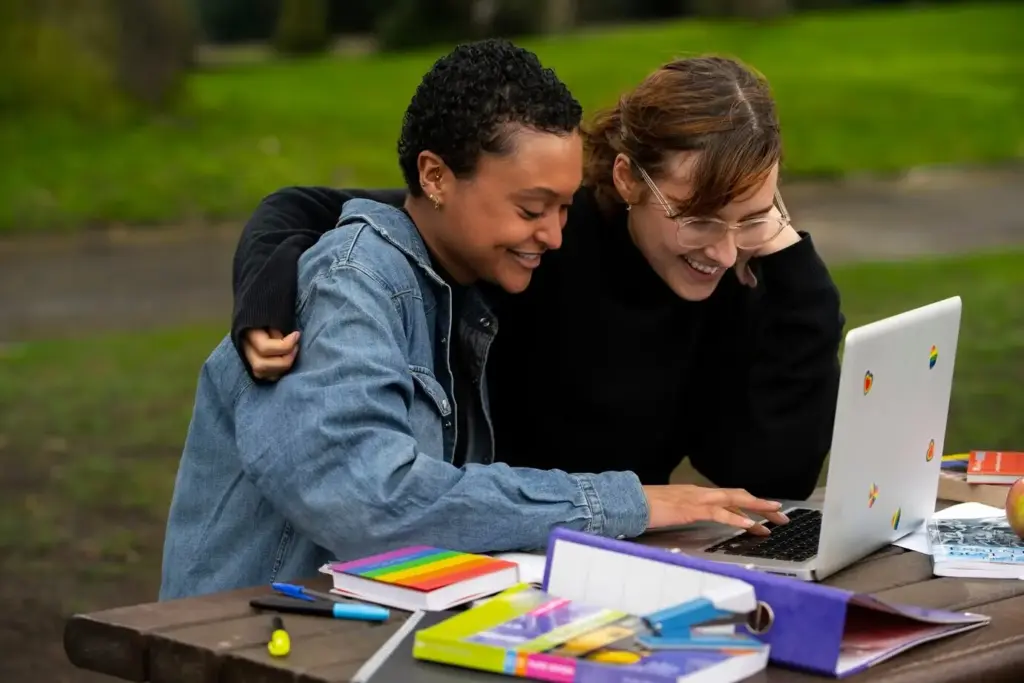
Today we explore heritage preservation through intergenerational cooking, crafts, and storytelling workshops, celebrating how kitchens, worktables, and circle gatherings become vessels for memory. Expect practical frameworks, warm anecdotes, and field-tested tips that help families and neighbors co-create living archives of taste, technique, and tale. Bring your favorite family recipe, the first stitch you learned, or a bedtime story that shaped you, and join us in building spaces where knowledge flows both ways and community grows stronger through shared practice and listening.
The Kitchen as a Living Archive
When elders and youth cook together, the kitchen turns into a memory studio where aromas cue stories and hands demonstrate subtle techniques rarely captured on paper. Measuring happens by feel, history is stirred into sauces, and cultural identity simmers alongside laughter. In this shared space, people negotiate tastes, swap roles, and translate intuition into teachable steps. The result is nourishment that feeds more than hunger, sparking belonging while documenting family knowledge in ways that remain practical, joyful, and immediately shareable.


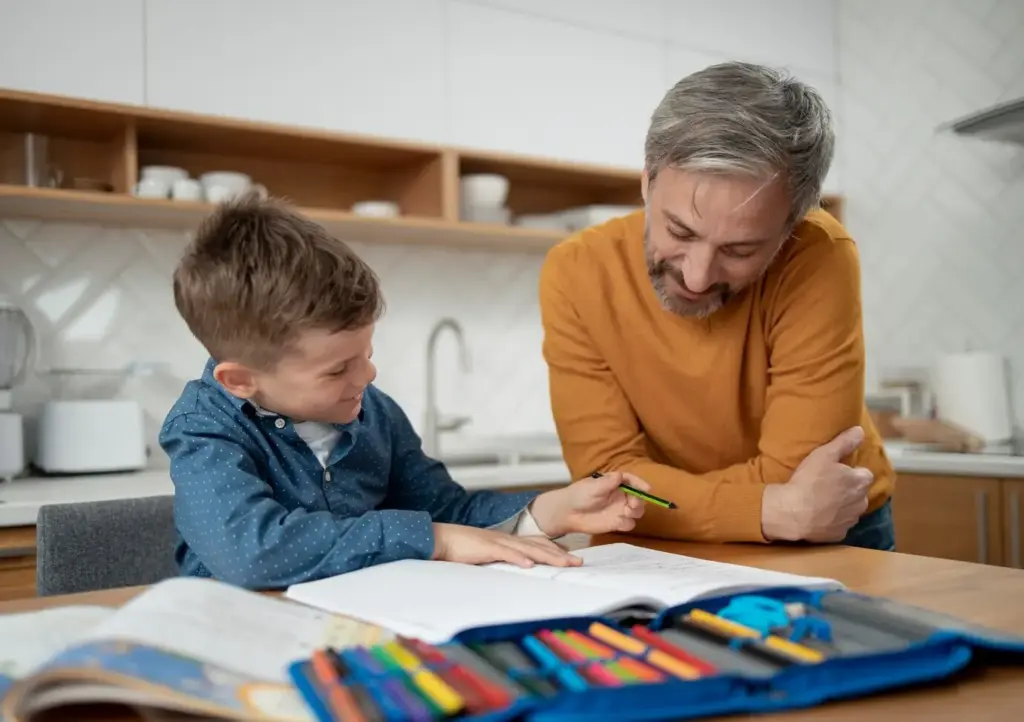
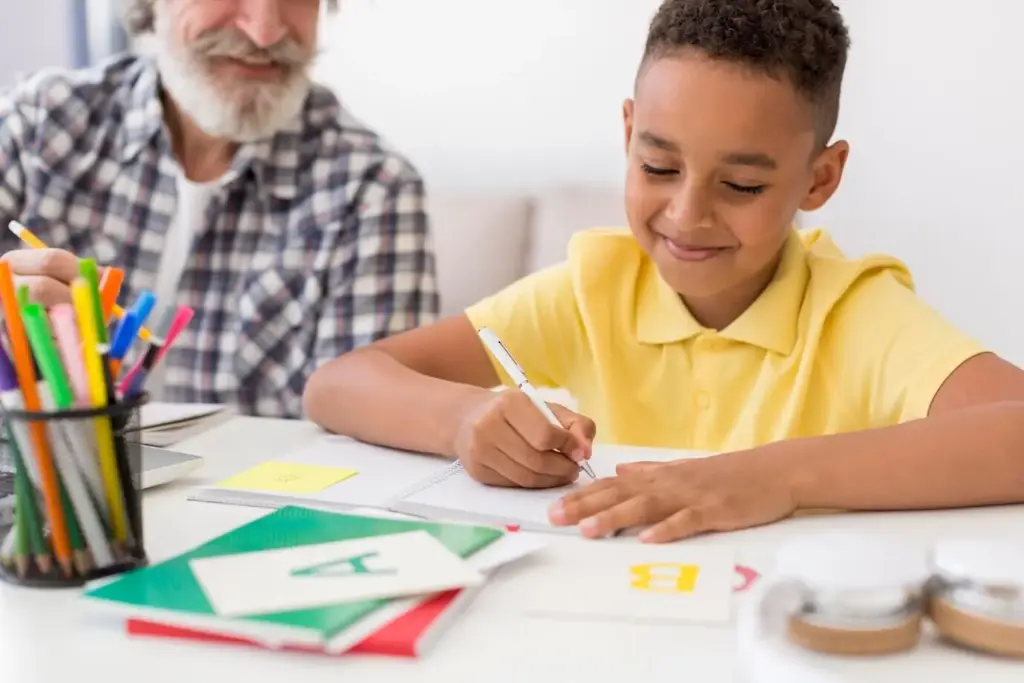

Hands that Remember: Craft Traditions Relearned Together
Apprenticeship Reimagined at Home
Instead of a formal master and novice setup, rotate roles. Let a teen lead threading needles while a grandparent corrects tension; switch so each person both learns and teaches. Break complex crafts into micro-skills—loop, knot, finish—then recombine. Use contrasting yarns or marker threads to visualize structure. Photograph hands, not faces, if privacy is preferred. End each session by naming what each person taught others, turning gratitude into a record of growing community expertise and shared artistic responsibility.
Repair, Mend, Sustain
Mending salvages memory and reduces consumption. Host a visible mending circle where patched jeans, darned socks, and re-stitched hems become conversation starters. Invite stories about why certain garments matter—a graduation jacket, a travel shawl, a child’s blanket. Teach sturdy repair techniques alongside decorative flourishes that proudly showcase fixes rather than hiding them. Create a repair ledger tracking saved items, materials used, and hours invested, translating care into measurable environmental impact while honoring emotional attachments that never make it onto receipts.
Material Stories and Local Sourcing
Ask where materials come from and what they mean. Compare store-bought threads with locally spun fibers; discuss the ethics of shells, feathers, or dyes. Invite a local artisan or farmer to explain processing steps. Set a challenge to craft using only reclaimed or neighborhood-sourced materials for one project. Document material choices with photos and short captions, preserving reasons alongside techniques. This attention transforms objects into teaching tools about ecology, labor, economy, and respect for the landscapes that sustain cultural making.
Circles of Story: Gathering Voices with Care
Story circles flourish when trust is present and expectations are clear. Arrange chairs in a gentle arc, offer water and warm lighting, and begin with a grounding prompt connected to food, making, or first memories. Establish listening agreements that protect difficult histories and honor joyful ones. Encourage multilingual expression and translation buddies. Invite pauses and silence without pressure to share. Collect consent before recording. When facilitated with humility, these gatherings reveal wisdom that deepens relationships and guides future cooking and craft sessions meaningfully.
Listening Practices That Honor Elders
Open with gratitude and a tangible object—perhaps a wooden spoon, spool, or family photograph—to focus attention. Use gentle prompts like what did your hands learn first or who taught you to wait for readiness. Avoid interrupting; capture questions on sticky notes for later. Offer breaks, mobility aids, and comfortable seating. If emotions arise, pause for breathing. End by reflecting back key phrases heard, ensuring elders feel accurately represented, respected, and celebrated as generous carriers of living experience and guidance.
Story Circles for Children and Teens
Younger participants thrive with structure and play. Introduce short storytelling games, like passing an ingredient card or adding one line to a shared tale. Provide art supplies for drawing scenes from family kitchens or craft tables. Encourage remixing: how would you cook this dish in space, or mend a superhero’s cape. Celebrate creativity while anchoring stories to real traditions. Record outcomes as zines or mini-podcasts, giving youth authorship and pride, and offering families delightful artifacts to revisit and expand together.
From Oral Tales to Community Archives
Not every story needs public display. Create tiered access: private family folders, community-only collections, and public exhibits. Use simple metadata—who, when, where, consent level, keywords—to make stories findable without stripping nuance. Pair audio clips with photos of tools or recipes to contextualize voices. Host periodic listening nights where selections are replayed and reinterpreted through cooking or making. This cyclical approach keeps narratives active, ensuring archives remain living companions to practice rather than static shelves of forgotten recordings.
Co-Design with Families and Elders
Before finalizing plans, hold a short co-design meeting. Ask what dishes or crafts feel urgent to pass on this season, which days work best, and what accessibility needs exist. Sketch agendas together on paper, then photograph and share. Invite volunteers to host in home kitchens or community halls. Build rotating teams for setup, teaching, and cleanup. Co-design distributes ownership, ensures cultural fit, and prevents facilitator burnout, while modeling collaborative decision-making that young participants can carry into school, clubs, and future leadership roles.
Accessibility and Safety by Design

Prepare adapted tools: lighter knives, non-slip mats, lap looms, and magnifying lamps. Offer seating at multiple heights and ensure clear paths for mobility devices. Provide printed instructions in large fonts and multiple languages. Set up hand-washing stations and food allergy signage. Use color-coded bins for sharp tools. Establish buddy systems that pair strengths. Document incidents and improvements transparently. When safety and accessibility are thoughtfully integrated, everyone relaxes into learning, and intergenerational trust grows through shared confidence rather than unnecessary risk or confusion.
Playful Formats That Spark Curiosity

Try time-travel cook-offs where teams recreate a dish from different decades, or a craft relay where each person adds a step before passing work along. Introduce mystery baskets featuring spices or materials tied to family migrations. Use story prompts that unlock technique decisions. Gamify documentation with stamp cards for tasks completed. Celebrate with certificates that name specific skills learned. Play, when respectful and well-framed, opens doors for shy participants, making tradition approachable without trivializing the care and history embedded within each practice.
Documenting and Safeguarding Traditions
To keep knowledge vibrant and shareable, documentation must be ethical, simple, and reusable. Focus on consent first, then choose tools people already carry: phones, notebooks, and basic audio recorders. Standardize a few templates for recipes, stitches, and story prompts. Save files with clear names and tags. Back up to community-controlled storage when possible. Train multiple people as stewards to avoid single points of failure. Great documentation doesn’t replace practice; it amplifies it, ensuring memory remains accessible, adaptable, and joyfully alive.
Respectful Representation and Credit
Create a standard practice of naming contributors on recipe cards, pattern sheets, and recordings, with their permission. Distinguish personal adaptations from inherited methods. Use captions that contextualize photos beyond aesthetics. Offer opportunities for co-facilitation or guest teaching roles. When posting online, link back to originators and communities. Invite corrections warmly and publish updates transparently. This attention to credit is not bureaucracy; it is care in action, protecting dignity while modeling ethical learning for children, teens, and new practitioners alike.
Cultural Protocols and Language
Languages carry technique and meaning. Encourage people to teach in the language that holds their culinary or craft knowledge, providing translation support as needed. Note respectful forms of address, prayer, or silence. Clarify handling of sacred objects or restricted designs. If a pattern or recipe is not for public reproduction, label it clearly and honor that boundary. Document pronunciation guides for key words. These practices keep doors open while safeguarding integrity, ensuring everyone participates without erasing context or spiritual significance.
All Rights Reserved.